Carlos Jurado

Graduate Student
Department of Astronomy, UT Austin

Carlos Jurado

About Me

I’m an Astronomy graduate student at the University of Texas at Austin working in Keith Hawkins’s research group where I study the chemo-dynamics of stars in the Milky Way Galaxy across all spatial scales. More broadly, my research interests range from galactic dynamics, stellar spectroscopy, binaries, and exoplanetary systems.

I graduated with a B.S. in Astrophysics from UCLA where I worked with Prof. Smadar Naoz on stellar and compact object dynamics in the Galactic Center. I also had the opportunity to work with Prof. Lauren Weiss at the University of Notre Dame to search for stellar companions in Kepler circumbinary systems.

Find my publications at:

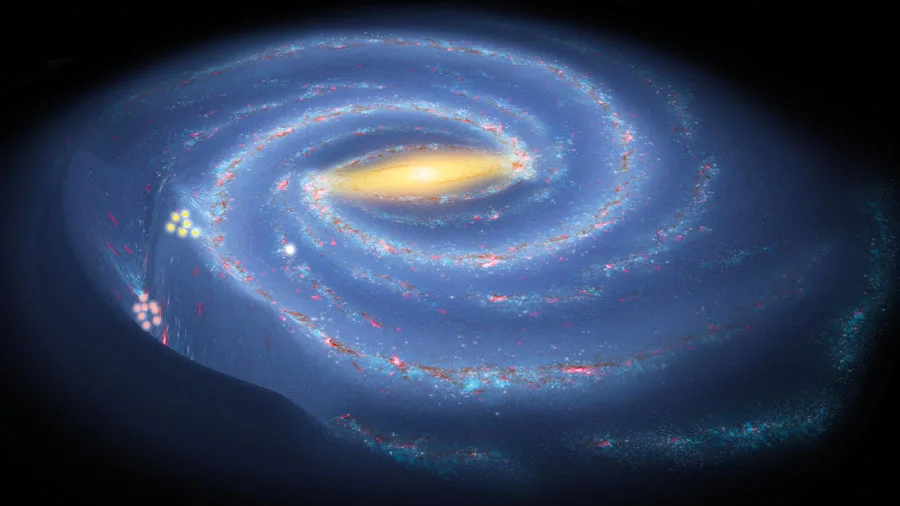
Chemo-dynamics of stars in the Milky Way Galaxy

Chemo-dynamics combines stellar chemistry with stellar motions in order to reconstruct how the Milky Way formed and evolved. I am using this approach to understand the Milky Way's evolution from the local level (binaries and triples) to galaxy-wide structures (kinematic patterns and metallicity variations).
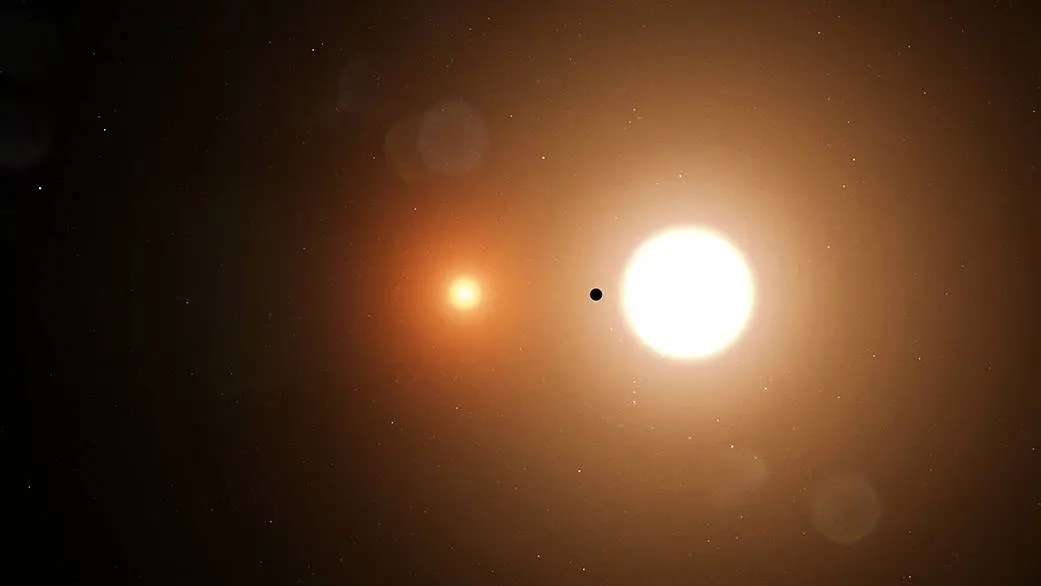
Upper Limits on Stellar Companions in Kepler Circumbinary Systems

Circumbinary systems are systems with planets orbiting both stars in a binary. We used new spectra of two circumbinary systems, Kepler-34 and Kepler-35, to search for long-period stellar companions.

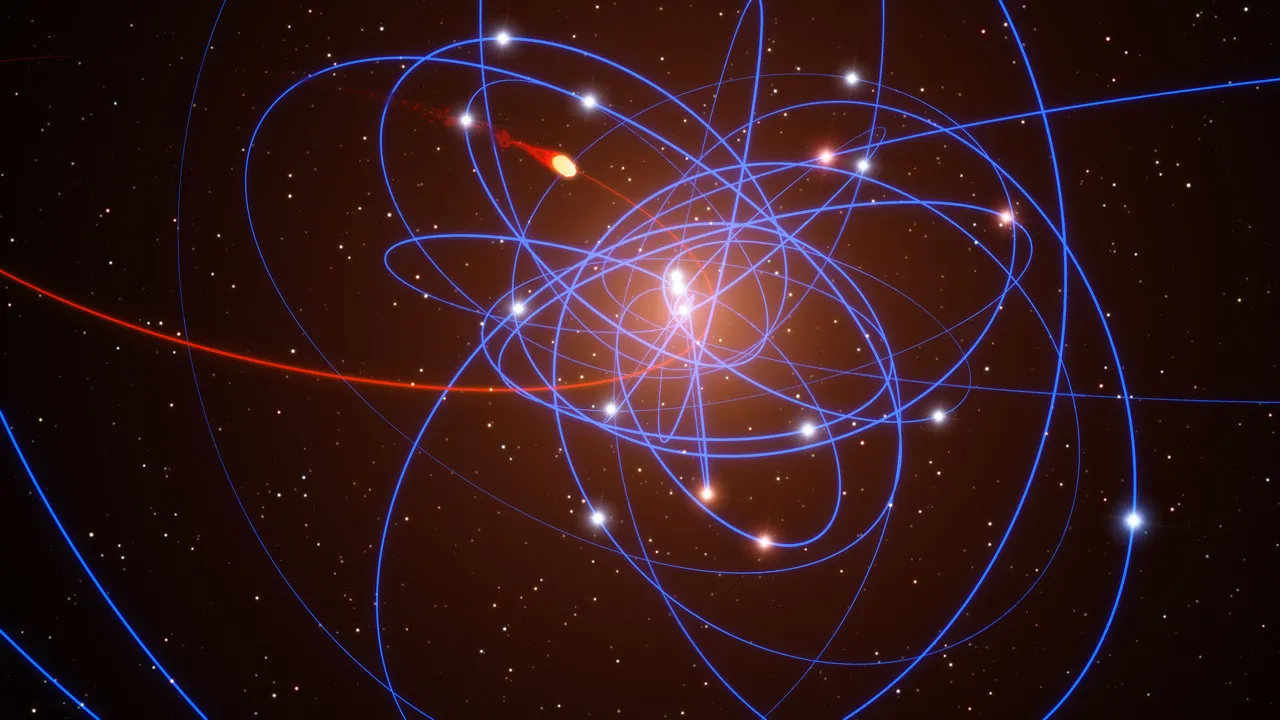
The Effects of Natal Kicks in The Galactic Center

Natal kicks are velocity impulses received by neutron stars or black holes at birth. We simulated their effect on a population of massive stars and binaries near the Galactic Center.

Select Publications

  • Jurado, C.; Hawkins, K.; Hunt J. A. S.; Hackshaw, Z.; Filion C.; Frankel, N., Carr, C., “Dynamical Origins of Azimuthal Metallicity Variations in the Galactic Disk: Insights from kinematic ridges with Gaia,” ApJ, doi.org/10.3847/1538-4357/ae346c
  • Jurado, C.; Naoz, S.; Lam, C. Y.; Hoang, B-M., “Natal Kicks from the Galactic Center and Implications on Their Environment and for the Nancy Grace Roman Space Telescope,” ApJ, doi.org/10.3847/1538-4357/ad55ee